01
Detect
Identify grasping, repetition, and customer-trained motion patterns.
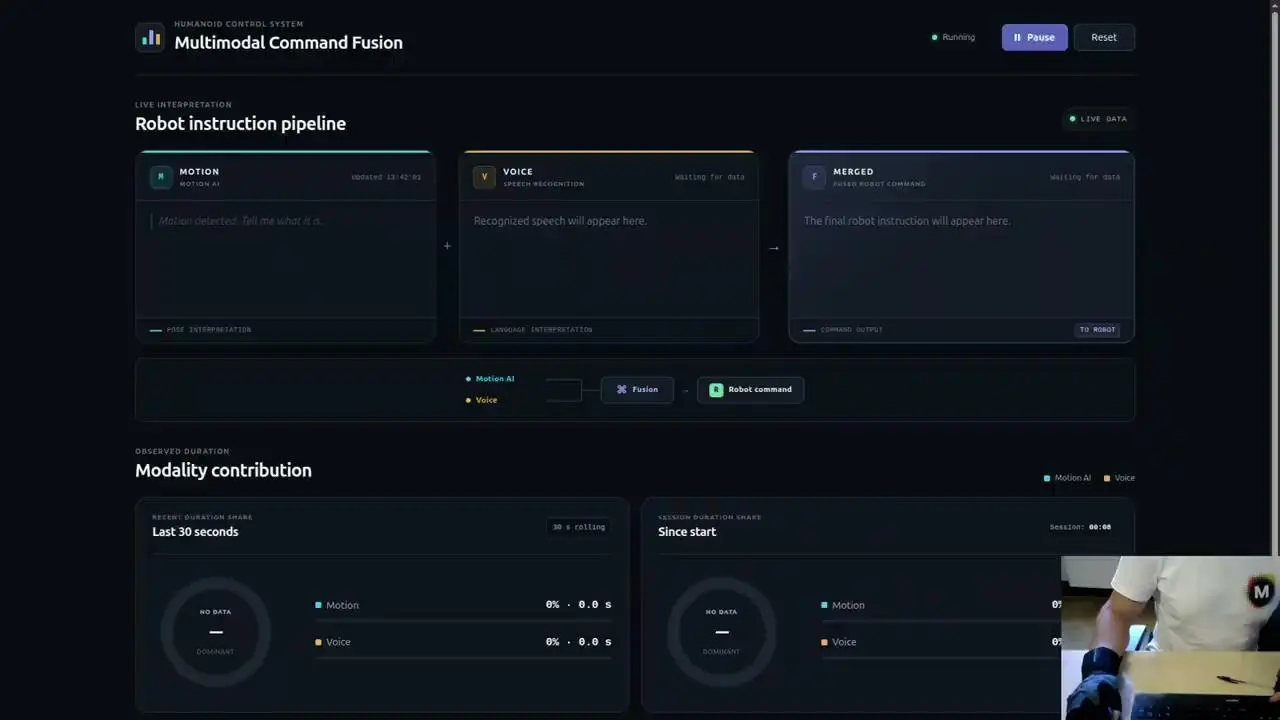
Context retrieval for physical work
Motion AI recognizes patterns in human movement, connects them with formal work steps, and creates usable execution context without frame-by-frame manual annotation.
More than recognition
Motion becomes valuable when it is connected to the task, the object, and the documented process.
Identify grasping, repetition, and customer-trained motion patterns.
Connect observed actions with a checklist or formal process document.
Add spoken expert descriptions, visual context, and object handling.
Create reviewable work steps and execution records.
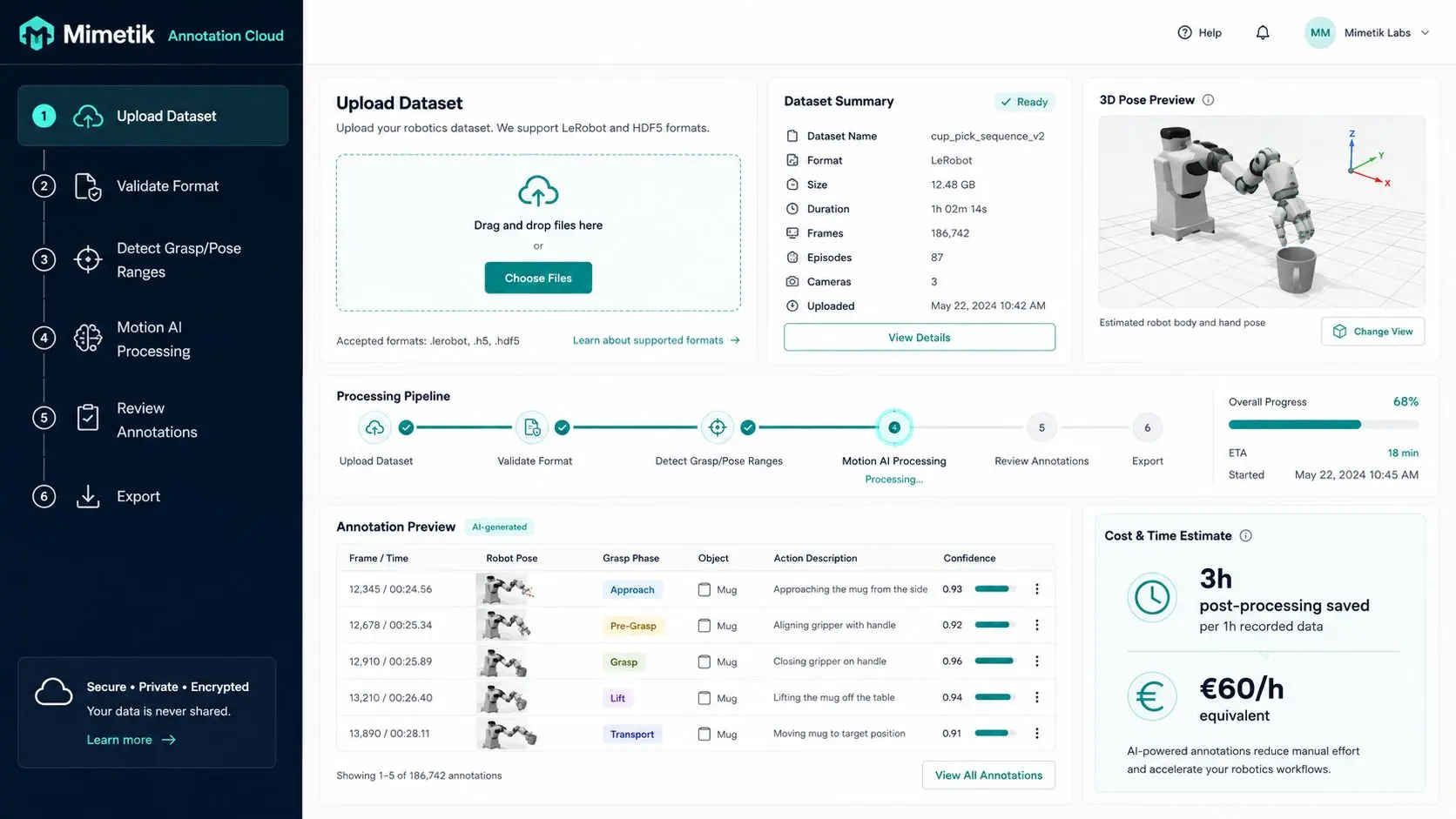
The Motion AI workspace
The platform connects devices, sets up processes, maps AI models, and receives raw and annotated motion data—the operational layer between capture hardware and customer workflows.
How it works
Collect motion from Mimetik gloves and optional body, camera, or external systems.
Models identify action patterns while process documents supply task semantics.
Teams correct detected steps and add missing context in the platform.
Use the model for assistance, documentation, analysis, or dataset preparation.
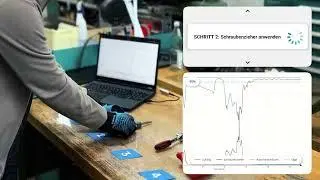
Reduce annotation effort
In Mimetik pilots, motion recognition automatically translated about 60% of hand motion into work steps. Alignment with formal documentation completed the process context.
This is pilot evidence, not a universal performance guarantee. Results depend on the process, model, sensors, and quality of the available documentation.
Operational outcomes
Recognize the current step and surface concise, relevant guidance.
Document actual execution, variation, and potential bottlenecks.
Build structured action context for selected humanoid-training datasets.
Give motion meaning
We will outline the smallest useful Motion AI pilot and the context sources it needs.